
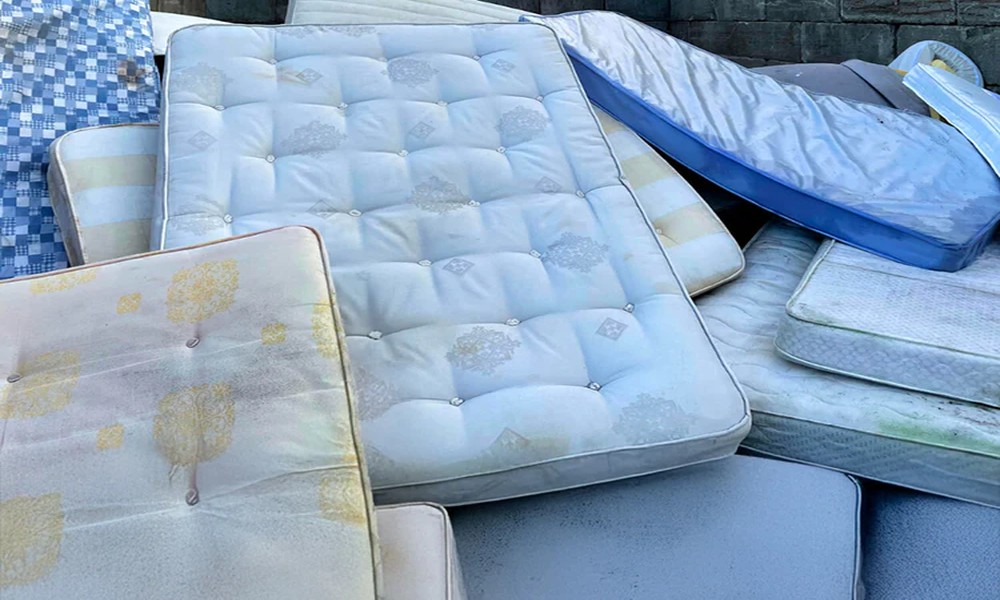
Every year, mountains of mattresses are sent to landfills, where they linger for decades, leaching harmful chemicals into the environment. The quiet revolution in mattress recycling is changing this, but taking part requires more than just dropping your old bed curbside. Every step matters if you want your mattress to be reborn, not rejected.
Why Mattress Recycling Matters
Environmental Impact of Mattress Waste
A single discarded mattress can take up to 40 cubic feet of landfill space and may contain synthetic foams, plastics, and metals that resist decomposition. When multiplied by hundreds of thousands, the impact is staggering. In Quebec and Ontario alone, more than 400,000 mattresses are recycled each year, while France boasts a million. For every mattress diverted from landfill, the environmental load is lightened.
Challenges with Traditional Disposal Methods
Throwing a mattress in a landfill is the easy way out, but it’s not harmless. Traditional disposal means bulky waste, increased landfill costs, and potential leaching of chemicals into soil and groundwater. No simple trash pickup can solve these challenges.
The Role of Mattress Recycling in Sustainability
Mattress recycling closes the loop on waste. By extracting valuable materials and redirecting them into new products, the process shrinks our environmental footprint. Sustainable disposal isn’t just good for the planet; it supports a growing circular economy.
Understanding Mattress Recycling Processes
How Are Mattresses Recycled?
Mattress recycling is a precise operation. Units are first dismantled by hand or specialized machines. Springs are separated, foams are cut, and fabrics are peeled away. Each material finds a new life as insulation, carpet padding, or steel products.
Materials Recovered and Their Reuse
The typical mattress contains:
– Steel springs (recycled for new steel products)
– Polyurethane foam (transformed into cushions or carpet underlay)
– Cotton and felt (used in industrial oil filters or insulation)
– Wood frames (mulched or processed into firewood)
Innovations in Mattress Recycling Technology
Automation has changed the game. Machines now speed up dismantling and sorting, making recycling more efficient and less labor-intensive. Some facilities even capture and reuse mattress components that previously went to waste.
Preparing Your Mattress for Recycling
Assessing the Condition of Your Mattress
First, check for excessive moisture, mold, or infestations. Many facilities will not accept mattresses with heavy contamination, so be honest about your mattress’s state. A dry, clean unit is ideal.
Removing Non-Recyclable Components
Strip away any bed linens, pillows, or mattress toppers. If there are stickers, plastic wraps, or attached electronic components (like remote controls), remove these as well. Some facilities may specify further steps, so check their guidelines.
Cleaning and Sanitizing Guidelines
A quick vacuum and light spot cleaning with gentle cleaners can help. Ensure your mattress is fully dry before recycling. Never use strong chemicals that could make the mattress hazardous for handlers.
Finding the Right Recycling Facility
Locating Authorized Mattress Recyclers Near You
Start with city recycling directories or provincial waste management websites. Organizations like Recyc-Matelas mattress removal offer specialized services, ensuring your mattress enters a reputable recycling stream.
What to Expect from a Professional Recycling Service
A professional recycler often offers pickup and drop-off options. They may charge a small fee, but in return you get the reassurance that your mattress is handled responsibly. Some even provide certificates of recycling for peace of mind.
Questions to Ask Your Recycler
– Are you certified or partnered with local authorities?
– What percentage of the mattress is recycled?
– Do you accept heavily soiled or damaged mattresses?
– What is the final use of the recovered materials?
Step-by-Step Guide to Environmentally Friendly Mattress Recycling
1. Verify mattress condition: Make sure it’s dry, clean, and free of heavy infestations.
2. Remove accessories: Strip bedding, toppers, and non-attached extras.
3. Contact a recycler: Schedule a pickup or drop-off with a licensed facility.
4. Prepare for transport: Wrap the mattress in a plastic cover if required, and label it clearly.
5. Complete any paperwork: Some facilities ask for documentation or proof of origin.
6. Track your mattress’s recycling: If available, request recycling documentation.
Additional Ways to Extend Your Mattress’s Life Before Recycling
Sometimes, recycling isn’t the only (or first) option. Consider donating gently used mattresses to shelters or nonprofits. Some companies offer repair or refurbishment, extending a mattress’s useful life and further reducing waste. Regular flipping, airing out, and using protectors can also maximize lifespan.
Benefits Beyond Recycling
Recycling keeps bulky waste out of landfills, supports local jobs, and feeds valuable materials back into the production cycle. It also creates ripple effects for communities, improving public health by reducing illegal dumping and landfill overflow. In cities where recycling rates are high, the positive environmental and economic impact is impossible to miss.
Taking Action: Making Mattress Recycling a Habit
Building a household plan for responsible mattress disposal is just the beginning. Share your knowledge with friends and neighbors. Stay informed about new recycling programs and innovations. By making conscious choices every time you replace a mattress, you take a small but powerful stand for the environment.
Mattress recycling is more than a box to check. It’s a step toward a greener, cleaner future, and with a little preparation, anyone can be part of the solution.