
Singapore’s industrial property market spans a wide mix of building formats, each engineered for a different kind of operation, and choosing the right one starts with an honest assessment of what a business actually does day to day. A logistics operator loading trucks around the clock has almost nothing in common, functionally, with a firm running a small assembly line or a laboratory developing new materials, yet all three might end up comparing units in the same general vicinity. This overview walks through the main categories of industrial property available and the kind of business each one tends to suit best, along with the trade-offs that tend to separate a good fit from a costly mismatch once the day-to-day operation gets underway.
Matching Property Type to Business Activity
The starting point for any search should be the operation itself rather than the estate or the rental rate. A business handling frequent vehicle deliveries needs different circulation space than one running a quiet, low-traffic assembly process, and a company storing temperature-sensitive goods has requirements that a standard dry warehouse cannot meet without modification. Mapping out these operational needs before viewing units prevents the common mistake of falling for a well-located property that turns out to be structurally or functionally unsuitable once the lease is signed and the equipment arrives. A short written brief covering equipment dimensions, expected staff count, and daily vehicle movements gives a search far more direction than a vague target rental rate, and it makes comparing dissimilar properties considerably easier once viewings begin.
Flatted Factories for Light Manufacturing and Assembly
Flatted factories remain the most common format across older industrial estates, offering stacked units served by cargo lifts and shared loading bays. They suit light manufacturing, assembly, and storage operations that do not require constant heavy vehicle access to every floor. Rental rates in this category tend to sit below those of newer, more specialised buildings, making flatted factories a common entry point for smaller manufacturers and trading companies that need functional space without paying for amenities they will not use. Older blocks in this category vary considerably in condition, so two units at similar rental rates within the same estate can differ sharply in lift reliability, common area upkeep, and how well the building management responds to maintenance requests.
Ramp-Up and Stack-Up Formats for Vehicle-Dependent Operations
Ramp-up buildings allow vehicles to drive to upper floors directly, while stack-up factories offer similar vertical efficiency with slightly different circulation designs. Both formats suit businesses that move goods in and out constantly throughout the day, since they eliminate the delays that come with queuing for a shared cargo lift. Logistics-adjacent manufacturers and companies running just-in-time production lines often gravitate toward these formats specifically because downtime spent waiting for vertical transport translates directly into lost throughput. The trade-off is usually a smaller pool of available units, since fewer buildings are constructed in these formats compared with standard flatted stock, which means businesses set on this configuration should expect a longer search and more competition for units that do come onto the market.
Business Park Space for R&D and Technology Firms
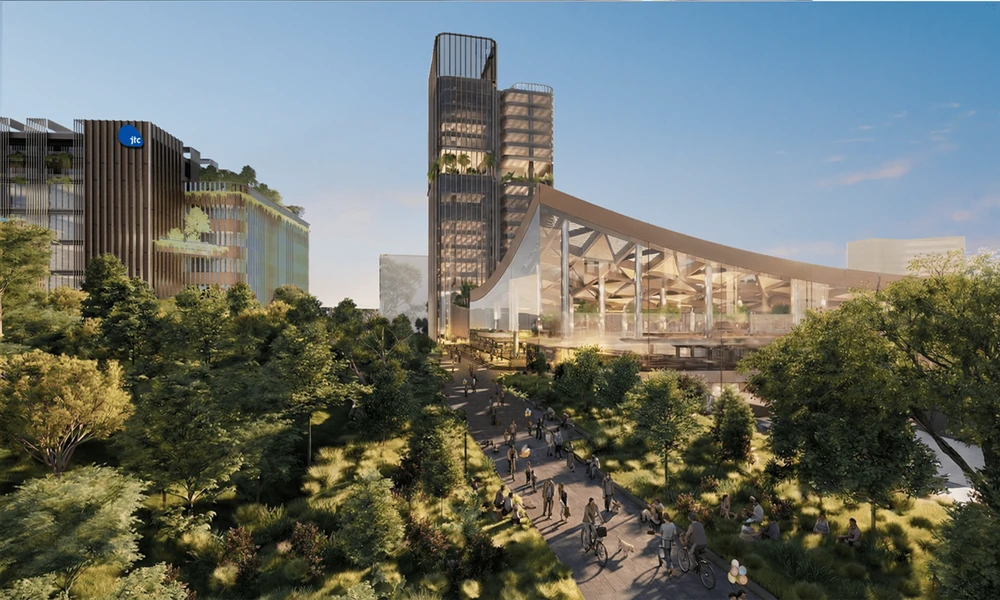
Business parks occupy a different tier altogether, built with higher specifications and a working environment closer to a corporate campus than a traditional factory floor. These developments suit companies engaged in research, product development, and technology work that combines office-based staff with light technical or laboratory functions. Rental rates here are typically higher, reflecting both the building specifications and the more polished common areas, communal facilities, and grounds that business parks tend to offer compared with standard industrial estates. Companies weighing this option should also check the permitted use carefully, since business parks generally restrict heavier manufacturing activity even where the building specifications might technically support it, keeping the tenant mix aligned with research and development rather than production.
Warehousing and Logistics-Oriented Sites
Purpose-built warehousing sits closer to transport nodes such as ports, airports, and major expressways, prioritising floor space, loading bay count, and vehicle circulation over the finer finishes found in business parks. Companies evaluating this category should pay close attention to clear height, floor loading, and the number and configuration of loading bays relative to their fleet size. For businesses considering this route, working with a firm that understands industrial property in Singapore can help narrow down sites that genuinely match throughput requirements rather than relying on floor area alone.
Standalone Factories and Land-Based Options
Detached factories on standalone plots give a single tenant full control over a site, which suits operations with unusual specifications, dedicated security needs, or expansion plans that a shared building cannot accommodate. Some businesses go further and pursue a land parcel directly, taking on the responsibility of designing and constructing a facility tailored precisely to their process. This route demands considerably more capital and a longer runway before the site becomes operational, but it removes the compromises that come with fitting an existing shell to a specific use.
Weighing Trade-Offs Before Committing
Every property type carries a trade-off between cost, control, and convenience, and there is rarely a single correct answer across an entire industry. A small trading company and a precision engineering firm might both call themselves manufacturers on paper while needing entirely different buildings in practice. Working through the operational requirements first, then testing them against what each property category can realistically offer, keeps the search grounded and reduces the chance of signing a lease that looks right on paper but fails the business once daily operations begin.