
Walk into a room, and everything might look perfectly put together-but the moment people start talking, something feels off.
Voices overlap. Sounds linger longer than they should. Even simple conversations can feel slightly tiring, especially if you stay in the space for a while.
That’s usually not a layout issue or a design flaw.
It’s a sound issue.
And this is exactly where wall acoustic panels come into play, not as decorative add-ons, but as something that directly improves how a room feels, sounds, and functions daily.
Why Sound Problems Happen in the First Place
Most modern interiors are filled with hard, reflective surfaces.
Walls, floors, ceilings, glass, and even furniture don’t absorb sound-they bounce it around.
So when sound is produced, it doesn’t just travel once. It reflects repeatedly, creating layers of overlapping noise.
This leads to:
- Echo and reverberation
- Sound build-up in certain areas
- A constant background “buzz” that’s hard to ignore
Even if no one is speaking loudly, the room itself amplifies everything. That’s why some spaces feel noisy or uncomfortable without an obvious reason.
What Wall Acoustic Panels Actually Do
Instead of letting sound bounce endlessly, acoustic panels for walls help manage how it moves within the space.
They work by:
- Absorbing sound energy on contact
- Reducing how much sound reflects back into the room
- Breaking up repetitive sound paths
The goal isn’t to eliminate sound-it’s to organise it.
Once sound is controlled, the space feels clearer, calmer, and much easier to be in.
Conversations Become More Natural and Less Straining
You don’t always notice how much effort goes into listening until that effort disappears.
In untreated spaces:
- Voices compete with background reflections
- Words can blur together
- People subconsciously raise their voices
With panels in place:
- Speech becomes more defined
- Conversations flow more easily
- There’s less need to repeat or strain to hear
This is especially noticeable in spaces where people interact often, like offices, meeting rooms, or living areas.
That Echoey, Hollow Feeling Starts to Disappear
Have you ever walked into a room and felt like it sounded “empty,” even when it wasn’t?
That hollow feeling usually comes from uncontrolled sound reflections.
When sound keeps bouncing between flat surfaces, it creates a sharp, echo-prone environment.
Wall acoustic panels help by:
- Interrupting those reflections
- Absorbing excess sound energy
- Creating a more balanced acoustic atmosphere
The result is a space that feels more grounded and less harsh, even if nothing else has changed.
Better Focus and Less Mental Fatigue
Sound doesn’t just affect hearing-it affects how you feel over time.
Constant low-level noise and echo can:
- Make it harder to focus
- Increase mental fatigue
- Create subtle stress, especially in busy environments
This is why some spaces feel draining after a while.
By reducing unnecessary noise reflections, acoustic panels help:
- Create a calmer background environment
- Improve concentration
- Make the space more comfortable for longer periods
In workspaces, this can support productivity. At home, it simply makes everyday activities feel more relaxed.
Helping Create Separation Without Physical Barriers
In open-plan spaces, sound travels freely.
This makes it harder to:
- Separate work and relaxation areas
- Maintain privacy
- Manage multiple activities at once
Wall acoustic panels help control how far sound spreads.
They:
- Contain sound within specific zones
- Reduce spillover between areas
- Make each section of the room feel more defined
This allows you to maintain an open layout while still improving comfort and usability.
A Subtle Upgrade That Changes the Whole Space
One of the biggest advantages of acoustic panels is how unobtrusive they are.
They:
- Don’t take up floor space
- Don’t interfere with movement or layout
- Work quietly in the background
Once installed, you don’t actively think about them-you just notice that the room feels better.
And that’s what makes them effective. They improve the experience without demanding attention.
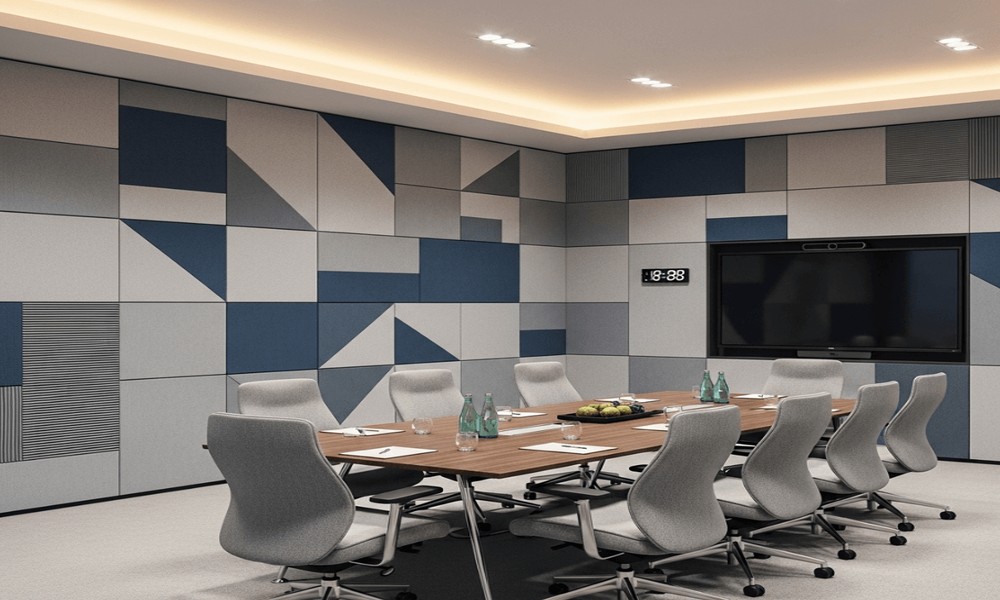
Blending Function With Design
Modern acoustic panels are no longer purely functional.
They can also:
- Match interior colours and textures
- Be arranged in patterns or feature layouts
- Act as subtle or even standout design elements
This means you don’t have to compromise on aesthetics to improve sound.
In many cases, they actually enhance the overall look of the space while improving performance.
Final Thoughts
Better room sound isn’t about removing noise completely-it’s about controlling it in a way that feels natural.
Wall panels play a key role in that process by reducing reflections, improving clarity, and creating a more comfortable environment overall.
They might not be the first thing people notice when they walk into a room-but they’re often the reason the space feels easy, balanced, and pleasant to spend time in.
And once you experience that difference, it’s hard to go back to a space where sound just isn’t working right.